What is the School of Ancient Roots of the Earth?
A Regeneration Relearning Centre.
It is a comprehensive pedagogical space designed to recover the bond between humans and nature. It is not a conventional school; it is a community of practice where:
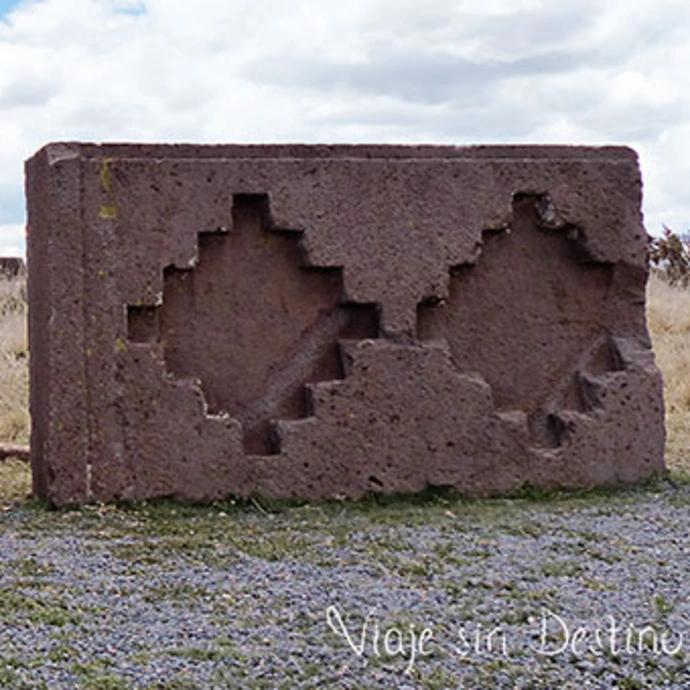
Cycles Are Inhabited: We integrate the Chakana worldview and the natural rhythms into everyday life.
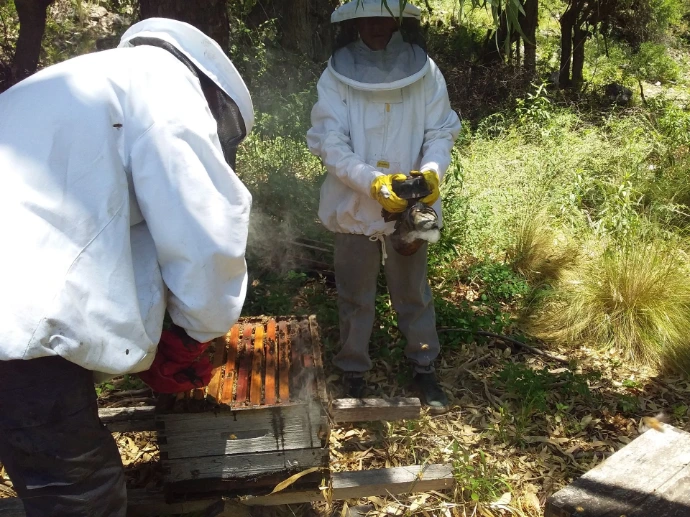
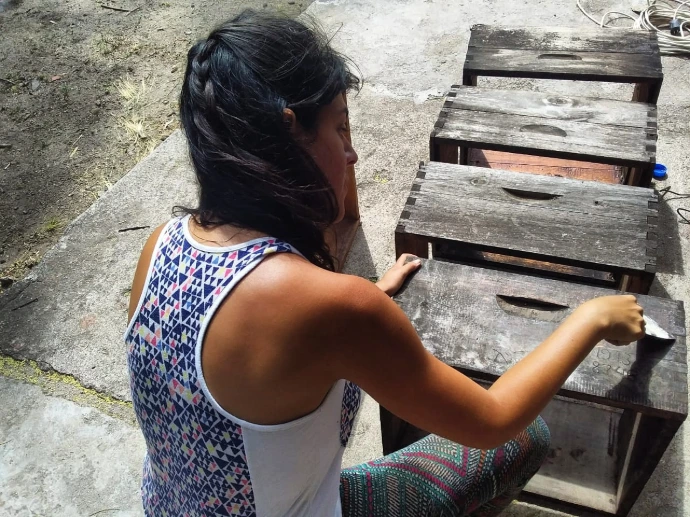
Crafts Are Learned: We recover bioconstruction techniques, mountain medicine, and wooden crafts.
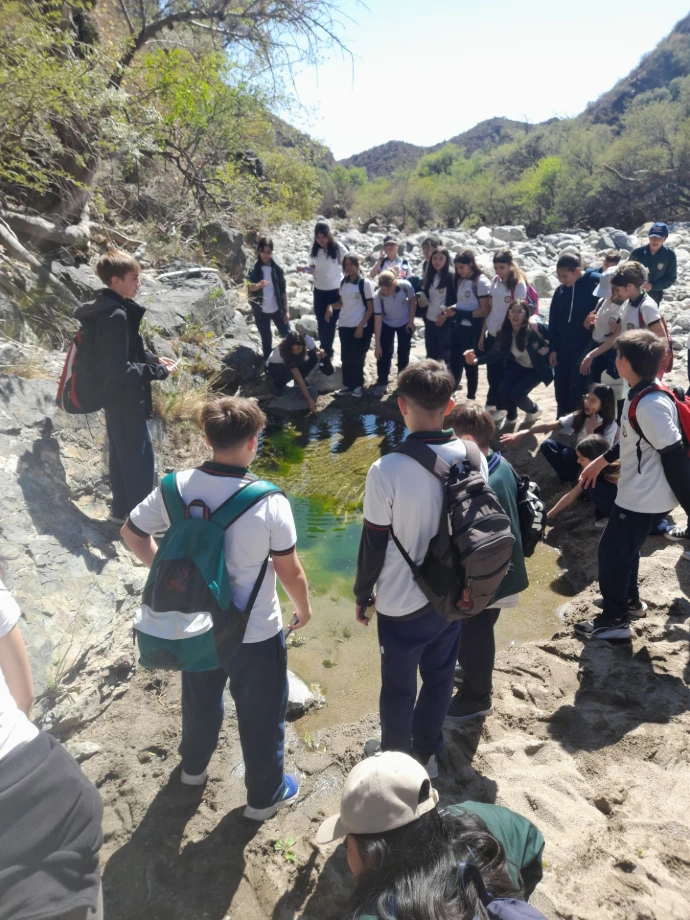
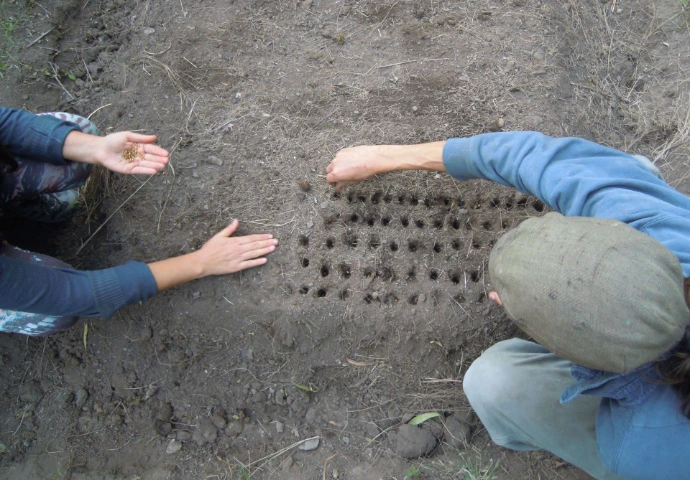
Learning for the Future: We provide tools for young guardians to create sustainable projects that promote the circular economy in the area.
✽ The Context: A Call to Action.
We are going through a historic moment where the socio-environmental crisis deeply challenges us. The disconnection from vital cycles and the loss of biodiversity force us to rethink our way of inhabiting the world. In the School of Ancient Roots of the Earth, we turn this crisis into an opportunity for relearning: a space to recover the wisdom that allows us to regenerate our relationship with the Earth and build more conscious, resilient, and rooted alternatives of life in the area.
✽ What Exactly Do We Need?
To materialise this knowledge refuge in the Nature Reserve Quebrada del Palmar, these are our priorities:
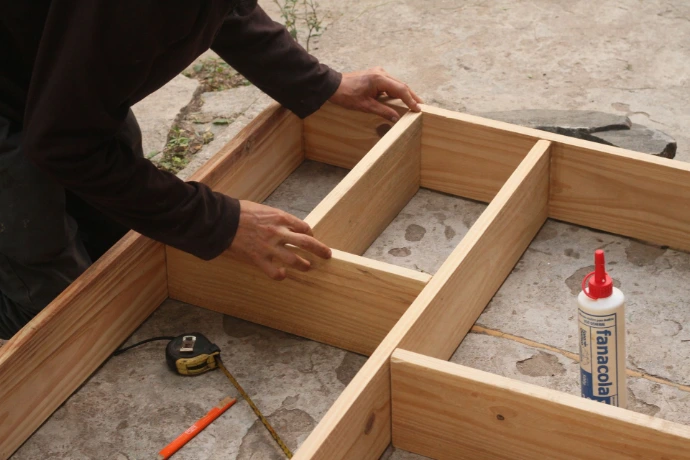
To Continue With the Bioconstruction: Resources for materials and tools aimed at completing the Arts and Crafts Workroom, our first classroom made of clay and wood.
To Strengthen the Guardians Network: Scholarships for local youth to access crafts training and conservation programmes.
To Acquire Technical Equipment: Supplies for monitoring the Andean condor and conducting scientific research in the area.
How Will Be the Construction Process?
✽ The Pillars of Our Work
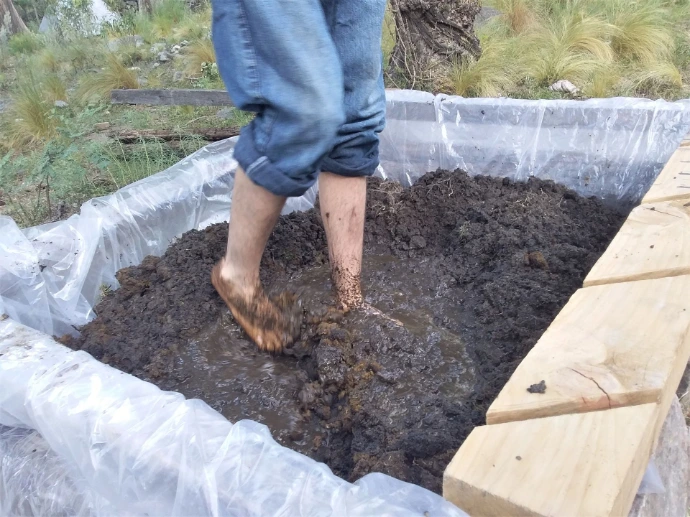
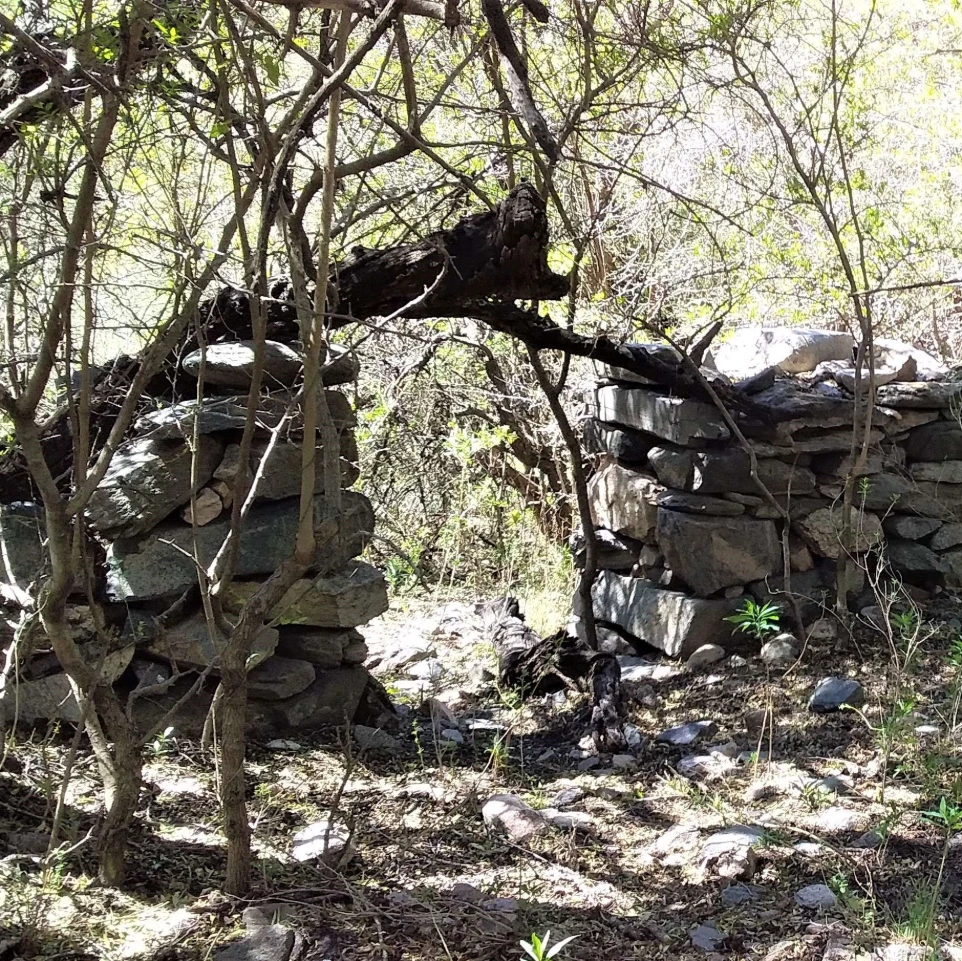
Locally Sourced Materials: We use straw for thermal insulation, local stone for the foundations, earth for the adobe blocks and clayplaster, and reused wood from the removal of exotic trees—eucalyptus—through responsible management.
Ancient and Modern Techniques: We combine traditional knowledge with bioclimatic design criteria to achieve cold spaces in summer and warm ones in winter.
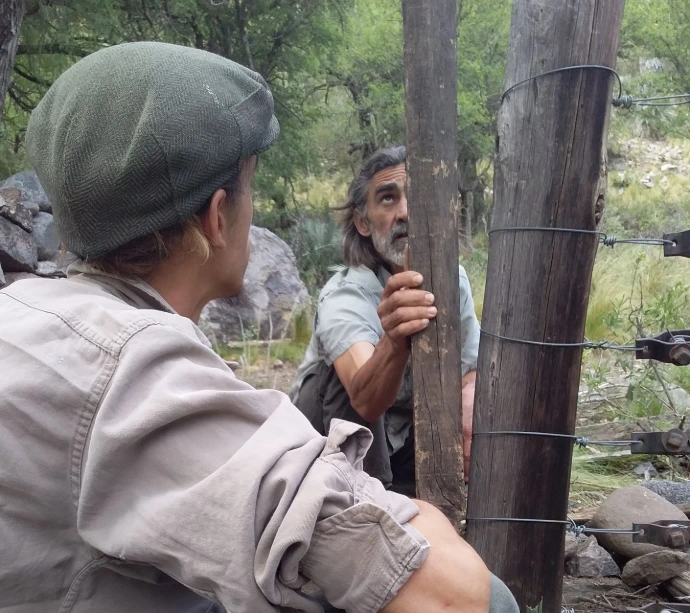
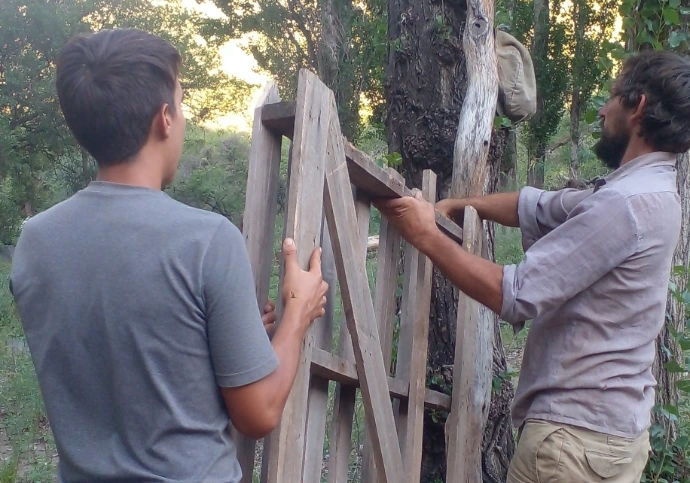
Collaborative Labour: Construction takes place through Minkas—community work—and voluntary service. Every wall raised is also a shared lesson.
Low Impact: The entire process is designed to be reversible and biodegradable, ensuring that the presence of the School represents a contribution to the native mountain valley and not a wound to it.
I WANT TO BE A FOUNDER OF THIS SCHOOL